
Electropolishing Screws & Fasteners
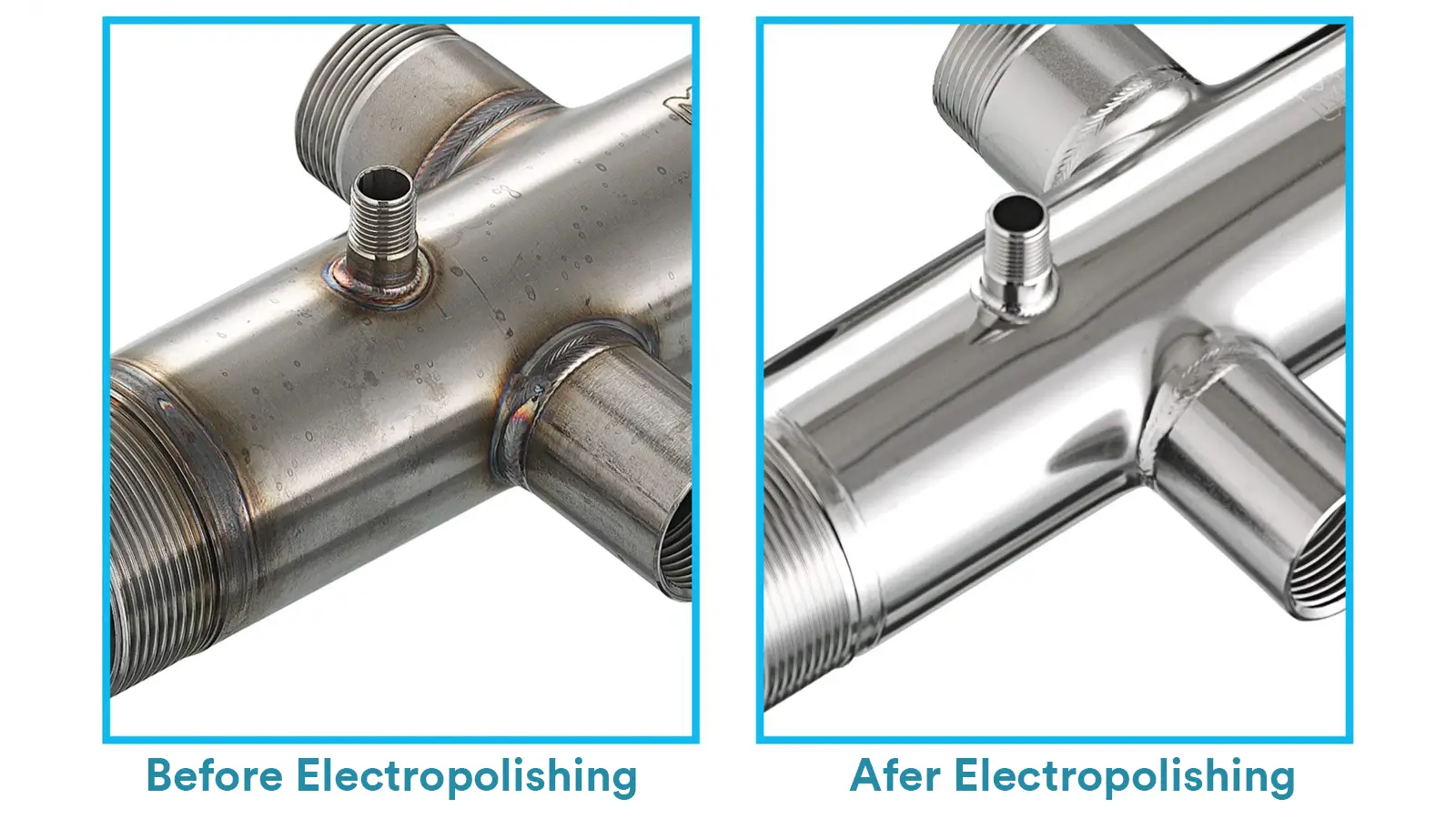
Electropolishing screws is an electrochemical process that removes a thin, uniform layer of surface metal, typically from stainless steel, to create a smooth, shiny, and highly corrosion-resistant finish.Why Electropolishing?
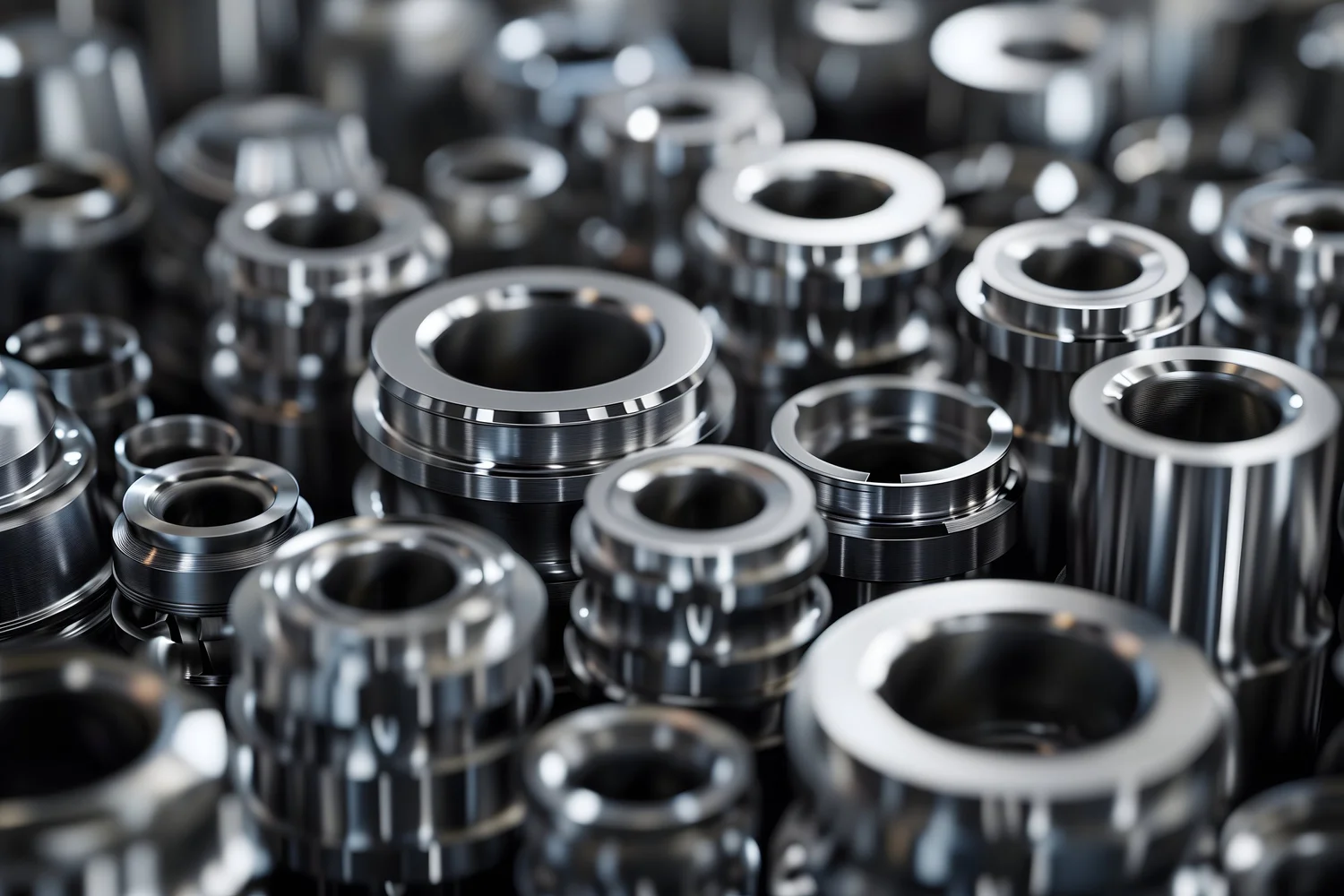
It serves as a superior “reverse plating” method that deburrs threads, improves fatigue life, and reduces galling, making it ideal for fasteners in medical, semiconductor, and marine industries.
- Deburring Threads: Eliminates micro-burrs and sharp edges without damaging the threads.
- Enhanced Corrosion Resistance: Removes free iron and impurities, producing a passive, clean surface
- Galling Prevention: Significantly reduces the risk of threads seizing during installation.
- Aesthetic Improvement: Provides a chrome-like, bright finish
SKYLOG® Electropolishing Screws
Electropolishing Screws is an electrochemical process that removes a thin, uniform layer of surface metal, typically from stainless steel, to create a smooth, shiny, and highly corrosion-resistant finish. It servers as a superior “reverse plating” method that deburrs threads, improves fatigue life, and reduces galling, making it ideal for fasteners in medical, semiconductor, and marine industries.
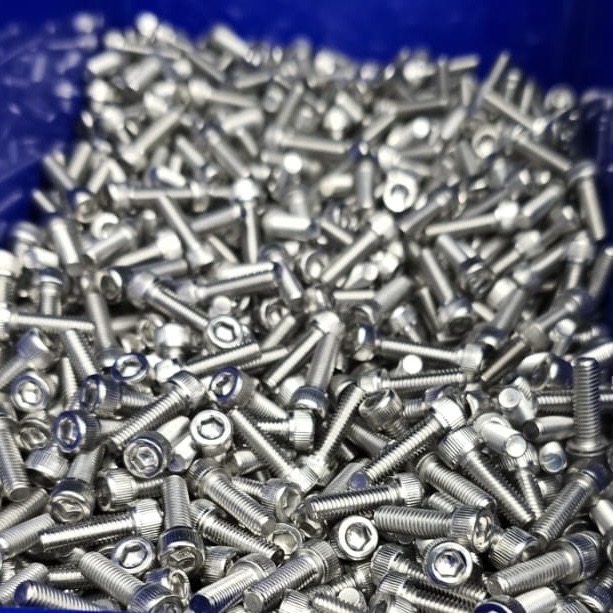
Best Applications for Electropolishing
- Medical Devices: Electropolished surfaces are ideal for medical implants and surgical instruments, where both cleanliness and smoothness are crucial.
- Aerospace and Automotive Parts: Parts requiring high performance under demanding conditions often benefit from electropolishing for its smoothness and aesthetic appeal.
- Food Processing and Pharmaceutical Equipment: The process provides hygienic surfaces by removing microscopic debris, crucial in environments where contamination risks need to be minimized.
How Does Electropolishing Work?
 |
|
How Electropolishing Works
Source: Wikipedia |
In electropolishing, the metal part or work-piece serves as the positively-charged anode. The work-piece is connected to the positive terminal of a DC power rectifier. The negatively-charged cathode, generally made of stainless steel or zirconium, is connected to the negative terminal of the DC power rectifier.
Both anode and cathode are immersed in a temperature-controlled bath of electrolyte solution. The electropolishing chemicals for stainless steel typically consist of a high-viscosity mixture of sulfuric acid and phosphoric acid.
Electrical current from the rectifier is conducted from the anode to the cathode through the electrolyte to achieve the electro polish. The electrical current causes metal ions on the surface of the part to oxidize and dissolve into the electrolyte. This process can dissolve extremely small, tightly controlled amounts of metal, resulting in micron-level thickness of surface removal.
The amount of electro polish metal surface removal is controlled by the following factors:
- Electrolyte chemical composition
- Temperature of electrolyte (typically 170 °F – 180 °F)
- Length of time of exposure to electrical current
- Density of electrical current (varies by electrolyte; typical range is 140 – 250 amps per square foot)
- Composition of metal alloy undergoing electropolishing
In the process of electropolishing, burrs and other peaks of surface roughness attract greater electrical current density and erode first in a phenomenon known as anodic leveling. The preferential removal of protruding portions of the surface structure leads to a smoother metal surface.